
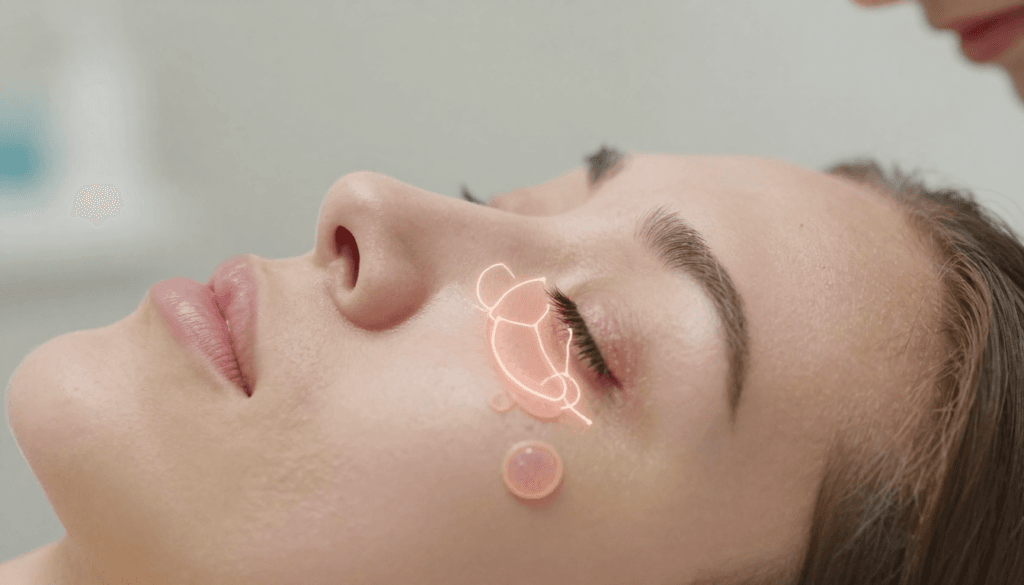
How Exosome Serums & Treatments Repair Skin Cells?
Most skincare conversations, a few years ago, revolved around acids, retinoids, and exfoliation schedules. Now, the conversation is slowly shifting. Dermatologists are talking less about “pushing” the skin and more about helping it recover. That’s where exosome serums and treatments have started to stand out.
What makes this topic interesting isn’t hype or influencer marketing. It’s the fact that exosomes entered skincare from medical and regenerative research, not the beauty industry. And that background matters.
Exosome serums and treatment do not promise instant glow or overnight transformation; they focus on how skin cells communicate, heal, and behave over time. That difference alone explains why professionals see them as part of advanced dermatology treatments, not just another cosmetic trend.
What are Exosomes in terms of Skincare?
Exosomes are tiny messengers released by cells. Your body already uses them every day. Skin cells use them to send instructions to each other, when to repair damage, when to calm inflammation, and when to rebuild support structures like collagen.
In skincare, exosome serums and treatments use purified exosomes that carry similar signals. They don’t contain living cells, and they don’t replace your skin’s function. They simply support it.
This is why exosomes fall under regenerative skin care rather than traditional topical products. They don’t force change. They encourage it.
How do exosome serums & treatments support skin repair
Skin aging isn’t just about wrinkles. It’s about efficiency. Young skin repairs damage quickly. As we age or over-treat our skin, that repair process slows down.
Exosome serums and treatments work by improving how skin cells respond to stress. Instead of triggering inflammation, they help skin recognize damage and organize repair more effectively.
This is the foundation of modern skin cell repair technology. The goal isn’t aggression. It’s coordination.
That’s also why exosome skin therapy is commonly used after procedures like microneedling. When the skin is already in repair mode, exosomes help guide that process instead of overwhelming it.
Why exosome skin therapy feels different from normal skincare
Traditional skincare products typically target one issue at a time, such as hydration, exfoliation, and pigmentation. Exosome skin therapy works more broadly.
People often describe improvements in texture, faster healing, and reduced sensitivity, rather than dramatic overnight changes. That’s expected. Exosomes aren’t cosmetic fillers. They’re biological support tools.
In dermatology clinics, exosomes are now being integrated into advanced dermatology treatments specifically for patients whose skin reacts poorly to aggressive routines.
Exosome facial treatment:
An exosome facial treatment is not designed for trends or events. It’s usually recommended when the skin needs recovery.
This includes:
- Over-exfoliated skin
- Post-procedure recovery
- Early aging with sensitivity
- Barrier damage from long-term active use
Because exosomes align with regenerative skin care, they’re especially helpful for people who feel stuck doing “everything right” but still see irritation or slow healing.
Regenerative skin care
The idea behind regenerative skin care is simple: healthy skin behaves predictably. It heals when injured, calms when inflamed, and strengthens with time.
Exosomes support this balance. Instead of forcing collagen production, they improve the environment where collagen production naturally occurs. That’s a major reason they’re gaining credibility in advanced dermatology treatments.
From a research perspective, this approach fits perfectly with what we now understand about skin cell repair technology—efficiency matters more than intensity.
Safety, quality, and realistic expectations
High-quality exosome serums and treatments are cell-free and purified. That’s why they’re considered safer than stem cell-based therapies.
That said, results depend heavily on formulation quality and professional guidance. Not all exosome products are equal, and not every skin concern needs them.
Used correctly, exosome skin therapy supports recovery and resilience. Used carelessly, it becomes just another expensive serum.
How Exosome Serums and Treatments Fit Into a Real Skincare Routine
One common misunderstanding about exosome serums and treatments is that they work best in isolation. In reality, they perform better when the rest of the skincare routine is simple and supportive.
Exosomes are not designed to fight against harsh exfoliants or constantly changing products. They work best when the skin environment is calm. This is why many dermatologists recommend reducing active overload when starting exosome skin therapy. Too many acids, peels, or aggressive treatments can interfere with the repair signals exosomes are meant to support.
A basic routine of gentle cleansing, barrier-supporting moisturizers, and daily sun protection creates the right conditions for exosomes to do their job. In this context, exosome serums and treatments act more like a recovery assistant than a corrective treatment.
For more Clinical Research on Exosomes, visit PubMed (NIH), which is the World’s most trusted medical research database
Why Dermatologists Are Cautious but Optimistic About Exosomes
In professional settings, new technologies are rarely adopted quickly. Dermatologists tend to be skeptical for good reason. What’s interesting about exosome serums and treatments is that adoption has been steady rather than explosive.
Clinics using advanced dermatology treatments often introduce exosomes slowly, starting with post-procedure care. Over time, as practitioners observe faster healing, reduced inflammation, and better patient comfort, confidence grows.
This cautious approach adds to the credibility of regenerative skin care. It’s not being pushed as a miracle solution, but as a supportive tool grounded in biology and observation.
From an experience standpoint, this matters. Treatments that quietly improve outcomes tend to last longer than those built on dramatic promises.
Skin Cell Repair Technology and Aging Gracefully
Aging skin doesn’t need to be “fixed.” It needs support. This perspective is becoming more common as research into skin cell repair technology expands.
Instead of viewing aging as damage, dermatology now looks at it as reduced efficiency. Skin still knows how to repair itself; it just needs clearer signals and fewer obstacles.
This is where exosome serums and treatments fit naturally. They don’t override skin behavior. They help restore balance. Over time, this can translate into improved texture, better tolerance to treatments, and more predictable healing.
That subtle improvement is often what users describe when they say their skin feels “healthier,” even if they can’t pinpoint a dramatic change.
Honest Expectations With Exosome Facial Treatment
An exosome facial treatment is often misunderstood as a glow facial. In practice, it’s closer to a recovery session. Results tend to show gradually rather than immediately.
People who benefit most usually notice:
- Less post-treatment irritation
- Faster recovery after procedures
- Improved skin comfort over weeks
- Better response to basic skincare
This aligns closely with the philosophy behind regenerative skin care, where consistency matters more than intensity.
Understanding this prevents disappointment and builds trust, an essential part of long-term skin health decisions.
Transparency and Choosing the Right Treatment
As interest in exosome serums and treatments grows, product quality becomes more important than ever. Not all exosome products are created equally, and transparency matters.
Clinics and brands that openly discuss sourcing, purification, and clinical use tend to be more trustworthy. This level of openness is one reason exosomes are being accepted within advanced dermatology treatments rather than fringe skincare trends.
From a user perspective, asking questions is not skepticism—it’s smart skincare.
A More Sustainable Direction for Skincare
What makes exosome skin therapy compelling isn’t just science. It’s sustainability. Skin that heals well needs fewer interventions, fewer aggressive treatments, and less correction over time.
That’s the long-term promise of skin cell repair technology—not perfection, but resilience.
As skincare moves away from constant stimulation and toward biological support, exosome serums and treatments feel less like a trend and more like a logical next step.
Are exosome treatments worth it?
This depends on expectations. Exosome serums and treatments don’t replace sunscreen, lifestyle habits, or basic skincare. They enhance how skin responds to care.
For people focused on long-term improvement rather than instant fixes, exosomes fit naturally into regenerative skin care routines and professional protocols.
That’s why clinics are adopting them slowly and carefully-not loudly.
Conclusion
Healthy skin isn’t silent. It responds, adapts, and recovers. When those responses slow down, support, not pressure, is what makes the difference. That’s where exosomes quietly earn their place in modern skincare.
Exosomes are not magic, and they’re not for everyone. But they represent an important shift in skincare thinking.
Instead of treating skin like a surface to correct, exosome serums and treatments treat it like a system to support. As skin cell repair technology continues to evolve, this approach is likely to become standard practice in advanced dermatology treatments, not a passing trend.
FAQs
- What do exosome serums and treatments do?
They support skin repair by improving cellular communication and recovery.
- Is an exosome facial treatment safe?
Yes, when medical-grade exosomes are used under professional guidance.
- How is exosome skin therapy different from normal serums?
It works on cellular signaling rather than surface-level symptoms.
- Who should consider regenerative skin care?
People with aging, damaged, or sensitized skin benefit most.
- Are exosome treatments clinically supported?
Yes, ongoing dermatology research supports their role in skin recovery.
For more skincare Guides, visit our website HealNurtura