
Slugging for Skin Barrier Repair: Does It Work?
Most skincare trends deserve the skepticism you bring to them. Slugging is not one of them. The technique, which means sealing your face with a thin layer of petrolatum at the end of your night routine, has been used in dermatology clinics for decades on eczema, post-procedure skin, and severe dryness. What social media got wrong was the nuance. Slugging for skin barrier repair works, but only if you understand what it can and cannot do.
The short answer: petrolatum reduces water loss through your skin by up to 98 percent while you sleep . That is real, measurable barrier protection. But slugging is not a repair treatment in the way ceramides or prescription topicals are. It creates the conditions for repair. It does not do the rebuilding itself. If your barrier is damaged from over-exfoliation, winter air, or starting a retinoid too fast, slugging can give your skin the quiet overnight window it needs to recover. If your barrier is fine and your skin is oily, it can trap sebum and trigger the exact breakout you were trying to avoid.
You can read our complete series on Skin Barrier.
Here is what the research and the dermatologists who actually use this technique say about when slugging helps, when it backfires, and how to do it without wasting three weeks on congestion.
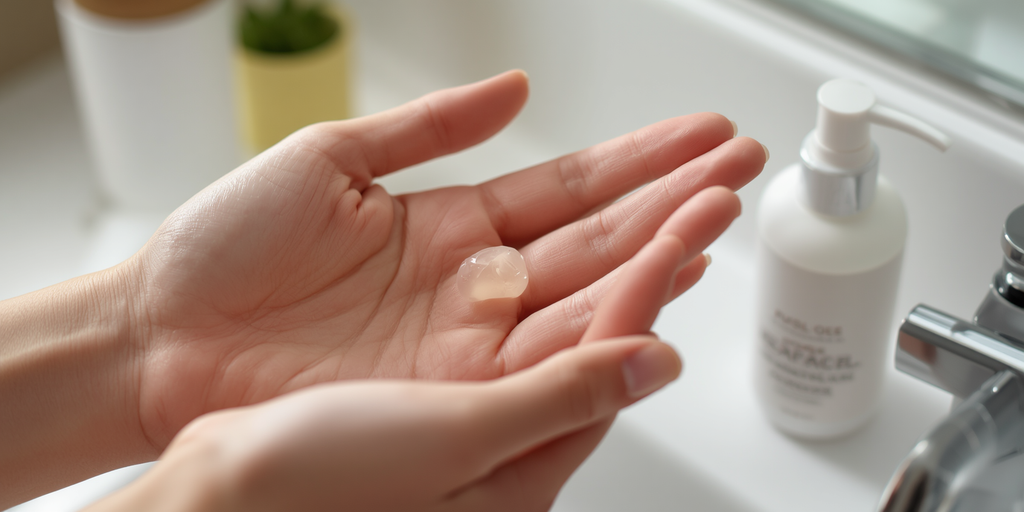
What Slugging Actually Does to a Compromised Barrier
Your skin barrier is not a single wall. It is a lipid matrix, a brick-and-mortar arrangement of corneocytes held together by ceramides, cholesterol, and fatty acids. When that matrix is disrupted, water evaporates out of your skin faster than it should. That process is called transepidermal water loss, and it is the reason dry skin feels tight, looks flaky, and stings when you apply products that used to be fine.
Petrolatum does one thing extremely well. It sits on the surface and blocks water from escaping . A review in the Journal of Clinical and Aesthetic Dermatology put the reduction in TEWL at nearly 99 percent for petrolatum, which is why it remains the gold standard occlusive in dermatology . That number is not marketing. It is why wound care protocols and post-laser recovery instructions often include petrolatum or a petrolatum-based ointment.
What petrolatum does not do is replenish the ceramides your barrier is missing. That distinction matters because the skincare industry has blurred the line between occlusion and repair. A occlusive protects. A ceramide cream rebuilds. The best barrier routines use both, but they are not interchangeable .
Dr. Joshua Zeichner, Director of Cosmetic and Clinical Research in Dermatology at Mount Sinai Hospital in New York, told The Dermatology Digest that slugging is a great option for people with dry, irritated, or sensitive skin, but he explicitly warned against slugging on top of potentially irritating ingredients like retinol or glycolic acid, because occlusion increases penetration and can cause excess irritation . That is the single most important caveat in this entire topic, and most TikTok tutorials skip it entirely.
Who Should Not Slug (and Why Most Advice Gets This Wrong)
The acne question is where slugging advice online falls apart. You will read that petrolatum is non-comedogenic, which is technically true. Petrolatum itself has a comedogenicity rating of zero to one depending on the grading system used, and the American Academy of Dermatology notes it does not clog pores on its own .
But that misses the point. When you seal your face with an occlusive, you are not just sealing in water. You are sealing in whatever was already on your skin. Sebum. Dead skin cells. Bacteria. Sweat. If you are acne-prone, that trapped environment is exactly what closed comedones and inflammatory papules need to form . The occlusive did not clog your pore. It created a greenhouse for the things that do.
Dr. Amy Kassouf, a dermatologist at Cleveland Clinic, is direct about this. She tells patients to avoid slugging if they have oily skin, acne-prone skin, or any active infection or open wound . Oily skin already has an adequate lipid layer and does not need an extra seal on top of it.
There is a middle path for people with combination skin or occasional breakouts who still want barrier support. A thin layer of squalane or a ceramide-rich ointment on the driest zones only, the cheeks or around the nose, gives you some occlusion without turning your entire face into a petri dish. Dr. Muneeb Shah, a board-certified dermatologist, recommends Vaseline, CeraVe Healing Ointment, or Aquaphor, with the caveat that Aquaphor contains lanolin and carries an allergy risk for some people .
The Retinoid Mistake That Causes Red, Peeling Skin
If you are using tretinoin, adapalene, or any prescription retinoid, read this section twice.
Occlusion increases the absorption of whatever sits beneath it. That is the entire mechanism behind slugging. It is also why slugging over a retinoid can turn a manageable adjustment period into a chemical burn. The retinoid penetrates deeper than it would on its own, and the irritation that follows can take a week or more to settle .
This does not mean you have to choose between retinoids and barrier support. It means you separate them. Use your retinoid on one night, and slug on the next. Or slug only on the lower half of your face and keep the retinoid on your forehead and chin, where congestion is more common anyway. If your skin is already irritated from a retinoid, stop the retinoid for three to four nights and slug with plain petrolatum over a basic moisturizer. Once the stinging stops, reintroduce the retinoid at a lower frequency.
The same logic applies to exfoliating acids. Glycolic acid, salicylic acid, and lactic acid all penetrate more aggressively under occlusion. A 5 percent lactic acid serum that feels gentle on its own can feel like a slap under a layer of Vaseline. Save slugging for nights when your active ingredients are not in the routine.
How to Slug Without Wasting Your Time
The correct slugging routine is shorter than the internet makes it look. You need three steps, and none of them involve a ten-product shelfie.
Start with a clean face. Gentle cleanser, no scrubbing, no hot water. Pat dry and leave your skin slightly damp. This matters more than most people realize. Occlusives do not add water to your skin. They trap the water that is already there. If you apply petrolatum to bone-dry skin, you are sealing in nothing .
Apply a hydrating moisturizer while your skin is still damp. Look for glycerin, hyaluronic acid, panthenol, or ceramides. These ingredients pull water into the upper layers of your skin and give the occlusive something worth sealing in. A ceramide cream is particularly useful here because it starts the barrier-rebuilding process that the petrolatum will then protect overnight .
Finish with a pea-sized amount of petrolatum. Not a thick mask. Not a visible layer of grease. A pea-sized amount, warmed between your fingers, pressed gently over the areas that need it most. For most people that means the cheeks, around the nose, and the chin. If your forehead is oily, leave it alone. Dermatologists consistently say less product is more effective here, and a thin layer is all you need to reduce TEWL .
Wait twenty to thirty minutes before your face hits the pillow. This gives the products time to settle and keeps your pillowcase from becoming the real occlusive layer.
What Results Actually Look Like, Week by Week
Slugging is not an overnight miracle, despite what the before-and-after posts suggest. The visible plumpness people report in the morning comes from surface hydration, and it fades after you cleanse. The barrier benefits take longer.
In the first three to four days, you may notice less tightness when you wake up and a softer texture. Dry patches around the nose and mouth often improve first. By the end of the first week, if your skin is not acne-prone, you might find that products you had to stop using because they stung are tolerable again. That is the barrier recovering, not the slugging itself doing the repair. The petrolatum bought your skin enough uninterrupted time to rebuild .
If you see new closed comedones, small flesh-colored bumps along the jaw or forehead, within the first week to ten days, stop. Your skin is telling you that the occlusion is trapping too much. This is more common in humid climates and during summer months, when your skin is already losing less water to the environment. A dermatologist quoted by Tira Beauty notes that slugging was built for dry air, and in humid conditions you are sealing in sweat and sebum rather than protecting against water loss .
The frequency that works for most dry-skinned people is three to four nights per week during winter and one to two nights per week the rest of the year. Some people with very dry skin can slug nightly without issue. Acne-prone skin should start with a single patch test on one cheek and wait a full week before deciding whether to continue .
What the Research Says About Slugging and Barrier Repair
The evidence for petrolatum as an occlusive is strong. It reduces TEWL, it is non-comedogenic on its own, and it has decades of clinical use in wound care and dermatology . The evidence for slugging as a standalone barrier repair treatment is weaker. A 2022 review of TikTok slugging content found that only about 37 percent of the top fifty videos were educational, and health care providers produced significantly higher-quality content than influencers . That is a polite way of saying most of what you have seen about slugging on social media is incomplete or wrong.
The most honest framing comes from the dermatologists who use occlusion clinically. Slugging creates a protective environment. It does not rebuild the lipid matrix. If your barrier is compromised, you need ceramides, cholesterol, and fatty acids in the correct ratio, which is what a well-formulated barrier cream provides. Petrolatum keeps that cream in place and keeps water from escaping while it works .
So does slugging for skin barrier repair actually work? Yes, if you understand that it is a supporting actor, not the lead. It is the quiet, unglamorous step that gives your skin the conditions to heal. It is not a treatment for acne, rosacea, or eczema on its own. And it is not necessary for everyone. Healthy skin with a functioning barrier does not need to be slugged every night. A good moisturizer and sunscreen will do more for your barrier over a year than a jar of petroleum jelly used indiscriminately .
If you are dealing with persistent redness, stinging, or breakouts that do not improve after two weeks of gentle care, stop experimenting and see a board-certified dermatologist. Slugging is a tool, not a diagnosis.
Frequently Asked Questions
Can I slug every night?
Dry, non-acne-prone skin can often tolerate nightly slugging during cold or low-humidity months. Most dermatologists recommend three to four nights per week as a starting point, then adjusting based on how your skin responds. Acne-prone or oily skin should not slug nightly and may need to skip it entirely .
Is Vaseline the best thing to slug with?
Plain petrolatum, including Vaseline, is the most studied and least likely to irritate. CeraVe Healing Ointment adds ceramides and hyaluronic acid, which gives it a slight edge for barrier support. Aquaphor contains lanolin, which works well for some people but can trigger reactions in those with lanolin sensitivity .
Does slugging cause milia?
Milia are keratin-filled cysts that form when dead skin cells get trapped near the surface. Occlusion can contribute to that trapping in people who are prone to milia, particularly around the eyes and cheeks. If you notice small white bumps that do not resolve, stop slugging in that area and consult a dermatologist.
Can I slug if I have rosacea?
Rosacea is a barrier disorder, and occlusion can sometimes help calm the flushing and stinging associated with it. But the heat trapped by a heavy occlusive can also trigger a flare. A thin layer of a ceramide-rich ointment, rather than pure petrolatum, is usually a safer starting point. Patch test on one area for several nights before committing to your whole face.
How long does it take to see barrier repair from slugging?
Surface hydration improves overnight. Measurable barrier recovery, meaning less reactivity and improved tolerance to products, typically takes two to four weeks of consistent, gentle care. Slugging supports that timeline. It does not shorten it dramatically on its own.
Medical Disclaimer: This article is for informational purposes only and does not constitute medical advice. The information here is based on published dermatological research and guidance from board-certified dermatologists. Individual skin responses vary. If you have a diagnosed skin condition, use prescription topicals, or are unsure whether slugging is right for your skin, consult a qualified dermatologist or healthcare provider before starting.
For more helpful insights, visit HealNurtura
We have recently launched a free tool to analyze your skin: HealNurtura Skin Analyzer
We’d love if you try and test it and share your experience through email contact@healnurtura.com or in the comment section below!