
How to Repair Your Skin Barrier Fast: A 7–14-Day Recovery Plan
Your skin is stinging, tight, and reacting to products that never bothered it before. You don’t want a lecture on skincare philosophy. You want to know exactly how to repair your skin barrier fast, starting today.
Here’s how to repair your skin barrier fast, broken into three real phases instead of a vague “just be gentle” suggestion. It also covers something almost every other guide skips: the honest difference between your skin feeling better in two weeks and your barrier actually being structurally repaired, which takes longer than any 14-day plan can promise.
How Do You Repair Your Skin Barrier Fast?
To repair your skin barrier fast, stop all active ingredients, including retinoids, acids, and exfoliants, for at least seven days. Replace your routine with a fragrance-free cleanser, a ceramide-based moisturizer, and daily sunscreen. Most people notice reduced stinging and redness within three to five days, with fuller symptom relief by day fourteen.
That’s the plan in outline form. Here’s the actual day-by-day breakdown, plus what happens after day fourteen that most guides never mention.
Before Day One: Clear the Shelf
You can’t repair your skin barrier fast while continuing to damage it at the same time. Before starting the clock, remove these from your routine entirely:
- Retinoids and retinol, prescription or over-the-counter
- Exfoliating acids, including glycolic, salicylic, and lactic acid
- Vitamin C serums, even gentler formulations
- Physical scrubs or exfoliating cleansers
- Any product containing alcohol high on the ingredient list
This isn’t a permanent break. It’s a pause that lets your skin stop fighting two battles at once- active ingredients and repair- and focus on just one.
Days 1 to 3: Stop the Bleeding
If your goal is to repair your skin barrier fast, the first three days matter more than any other stretch of the plan. They’re about removing irritants and calming active inflammation, not adding anything new to the mix.
Cleanse once a day, in the evening only. A splash of lukewarm water is enough in the morning. At night, use a small amount of a soap-free, fragrance-free cleanser, something like CeraVe Hydrating Facial Cleanser or La Roche-Posay Toleriane Hydrating Gentle Cleanser, both widely available at Ulta and on Amazon for under $20.
Apply a hydrating serum to damp skin immediately after cleansing. Ingredients that pull water into the skin, such as hyaluronic acid or a panthenol-based formula, work best here. Dermatologist Dr. Melissa Piliang of Cleveland Clinic has emphasized that barrier repair depends on restoring lost hydration before anything else, since a dehydrated barrier can’t properly rebuild its lipid structure.
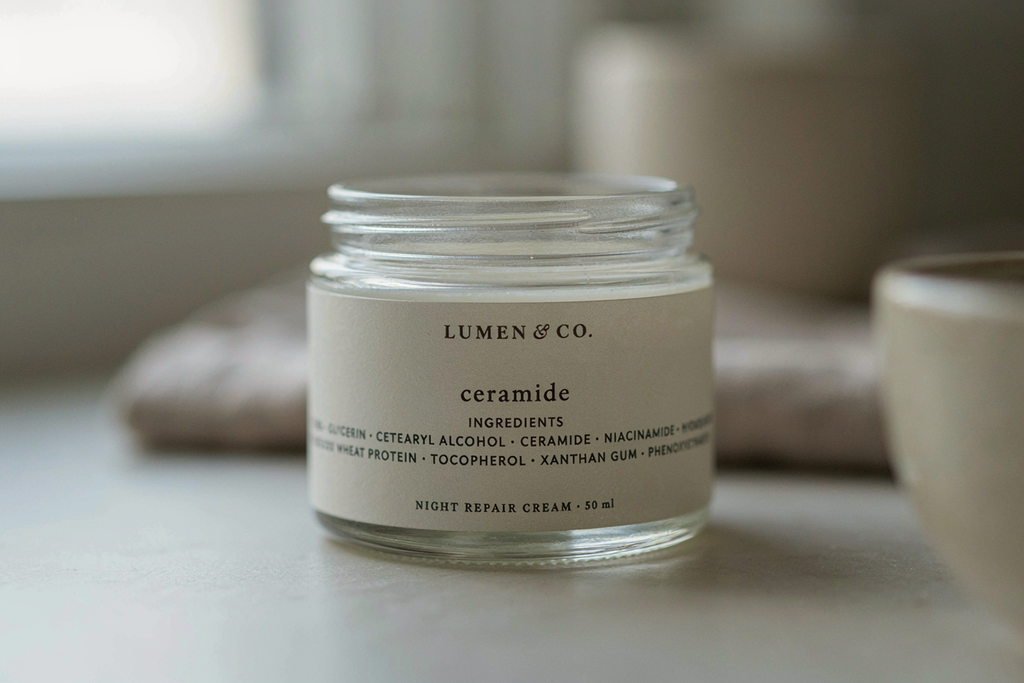
Seal everything in with a moisturizer built around ceramides, cholesterol, and fatty acids, the same three lipids that make up your barrier’s natural mortar. CeraVe Moisturizing Cream and La Roche-Posay Cicaplast Baume B5 are two widely stocked, dermatologist-recommended options in this category, both under $25 at Ulta or Amazon.
Days 4 to 7: Reinforce What’s Left
By day four, if you’re following the plan to repair your skin barrier fast, stinging and visible redness should be easing, though not gone entirely. This is when you start reinforcing rather than just calming.
Keep mornings simple: a water rinse, your hydrating serum, moisturizer, then a fragrance-free mineral sunscreen with zinc oxide as your final step. This part matters more than people expect. A barrier that’s still recovering is more vulnerable to UV damage, and sun exposure can undo several days of progress in one afternoon.
In the evenings, apply a slightly thicker layer of your barrier moisturizer after cleansing and hydrating serum. If a product that felt fine on day four suddenly stings on day six, that’s your skin telling you it’s still overwhelmed. Pull back to just cleanser and moisturizer for a day before continuing.
Days 8 to 14: Build Resilience, Don’t Rush It
With your barrier holding water more consistently by now, the plan to repair your skin barrier fast shifts into a slightly different phase, adding one additional hydration layer, but nothing more aggressive than that yet.
Continue your morning routine unchanged. In the evening, after your usual steps, a second moisturizing layer- a richer night cream for drier skin types or a lighter gel-cream for oilier skin- can go on top of your barrier repair moisturizer.
Around day twelve, if your skin has been consistently calm for several days, you can cautiously reintroduce exactly one active ingredient. Pick the gentlest option you own, a low-strength vitamin C or a retinoid used no more than twice that week. Apply it in the morning under moisturizer and sunscreen, then watch for 48 hours. No reaction means you can keep it in rotation. Any stinging or redness means pulling back to the days 4 to 7 routine for another week before trying again.
What Happens After Day 14, Since Nobody Else Explains This
Here’s the part every other guide to repairing your skin barrier fast leaves out. Feeling better by day fourteen and being fully repaired are not the same thing, and conflating them is exactly why people relapse right after they finally repair their skin barrier fast enough to feel normal again.
Dr. Piliang has noted that visible symptom improvement typically happens within one to two weeks of gentle care, but full structural recovery, meaning your barrier’s lipid production and cell turnover returning to their normal baseline, generally takes three to four months of continued, consistent care. The two-week plan above gets your skin out of active crisis. It doesn’t mean the underlying barrier has finished rebuilding.
This gap is exactly why reintroducing your full old routine at day fifteen- retinol, multiple acids, a heavy exfoliation schedule- so often triggers a relapse within weeks. Treat days 15 through 90 as a slower, more gradual reintroduction phase: one new active added per week at most, always watching for a 48-hour reaction window before adding the next one.
Why Speed Has a Real Limit, Biologically
Understanding why you can’t repair your skin barrier fast beyond a certain point makes the whole plan easier to follow without getting impatient around day nine. Corneocytes, the dead skin cells that make up your barrier’s physical structure, take roughly two to four weeks to form, rise to the surface, and shed in a healthy skin cycle. You can’t compress that biological timeline with a product, no matter how it’s marketed. What you can do is stop actively damaging that cycle so it’s allowed to run its normal course instead of getting disrupted every few days by a new active ingredient or a hot shower.
This is also why consistency matters more than intensity here. Applying a barrier cream five times in one day won’t repair your skin barrier fast in the way twice-daily use over two full weeks will. The lipid matrix rebuilds through repeated, steady exposure to the right ingredients, not through concentrated bursts, which is the core principle behind every phase of this plan to repair your skin barrier fast.
Comparing Store Options: What to Actually Look For
If you’re standing in an aisle at Ulta or scrolling Amazon trying to figure out which product will actually help you repair your skin barrier fast, a few label details matter more than the brand name on the front.
- Ceramide position on the ingredient list. Effective barrier creams list ceramides among the first ten ingredients, not buried near preservatives at the bottom.
- Fragrance-free, not “unscented.” Unscented products can still contain masking fragrance. Fragrance-free means no fragrance compounds were added at all.
- A short, simple ingredient list. Products with twenty or more ingredients raise the odds that one of them causes irritation on already-compromised skin, which defeats the purpose during this window.
- National Eczema Association seal, where present. This third-party seal specifically flags products formulated to be gentle enough for already-irritated, barrier-compromised skin.
Price doesn’t reliably predict effectiveness here. Several of the most consistently recommended barrier creams, including options from CeraVe and La Roche-Posay, run under $25 and are formulated with dermatologists specifically for this kind of recovery window, which makes them a reasonable default when you’re trying to repair your skin barrier fast without spending a lot testing options.
Daily Habits That Support Faster Recovery
Products only do part of the job. A few habits determine whether repair actually holds.
- Use lukewarm water only. Hot water strips the same lipids you’re trying to rebuild.
- Pat skin dry, never rub. A rough towel is mechanical exfoliation your barrier doesn’t need right now.
- Run a humidifier if your air is dry. Central heating and air conditioning both pull moisture from skin overnight.
- Get enough dietary fat. Essential fatty acids support the same lipid production your barrier relies on internally, not just topically.
- Cover up in wind and cold. A scarf sounds unrelated to skincare, but wind exposure measurably increases water loss through compromised skin.
How to Tell It’s Actually Working
Progress during a barrier repair plan tends to follow a rough, predictable pattern rather than a straight line.
By days one to three, expect reduced stinging on product application and less visible redness right after cleansing. By days four to seven, morning tightness eases, and skin starts feeling softer to the touch. By days eight to eleven, any flaking patches should be resolving. By days twelve to fourteen, skin should feel generally comfortable and tolerate one gentle active without reacting.
If you’re not seeing any of this by day fourteen, or if your skin is weeping, crusting, or intensely itchy at any point, see a dermatologist rather than continuing to guess. Conditions like contact dermatitis, rosacea, and eczema can look identical to simple barrier damage but need prescription treatment that a 14-day skincare plan alone won’t provide.
Common Mistakes That Slow Down Recovery
A handful of habits quietly sabotage even a well-designed plan to repair your skin barrier fast, and catching them early saves time you’d otherwise lose by starting over.
Switching products every few days out of impatience is the biggest one. Each new product, even a gentle one, requires a short adjustment window, and constantly swapping never lets any single formula actually do its job. Give each step at least three to four days before deciding it isn’t working.
Over-cleansing is a close second. Washing your face more than the plan calls for, even with a gentle cleanser, strips lipids faster than a twice-daily barrier cream can replace them. Stick to the cleansing frequency laid out above even if your skin feels oily or your instinct is to wash it away.
Testing new products on your entire face is a third common mistake. If you’re unsure whether a specific moisturizer or serum will work for your particular skin during this recovery window, apply it to a small area, like your jawline, for two days before committing your whole face to it.
Finally, giving up around day seven because progress feels slow is genuinely common, and it’s usually the point right before things start to improve noticeably. The plan to repair your skin barrier fast is front-loaded with restriction and back-loaded with visible results, so the middle stretch can feel like nothing is happening even when your barrier is actively rebuilding underneath the surface.
Frequently Asked Questions
Can you really repair a skin barrier in 7 days?
Partial relief, yes, and this is the most realistic way to think about how to repair your skin barrier fast. Most people see reduced stinging and redness within the first week of simplifying their routine. Full structural repair, meaning your barrier’s normal lipid production and cell turnover, generally takes longer, closer to three to four months of continued gentle care beyond the initial two-week plan.
What’s the single most important product for repairing a damaged barrier fast?
A ceramide-based moisturizer does the most direct work toward helping you repair your skin barrier fast, since ceramides are one of the three core lipids your barrier is missing when it’s compromised. Look for ceramides listed among the first several ingredients, not buried near the bottom of the list.
Is it normal for skin to look worse before it looks better during barrier repair?
Some initial flaking or dullness as old, damaged skin cells shed is common and not a sign of failure. Increasing pain, spreading redness, or new symptoms that weren’t there before are different and worth checking with a dermatologist.
Can I still wear makeup while repairing my skin barrier?
Yes, though mineral-based, fragrance-free formulas are gentler on already-compromised skin while you work to repair your skin barrier fast. Remove makeup with the same gentle, non-foaming cleanser you’re using for your evening routine, and avoid makeup wipes, which tend to require more rubbing than a proper cleanse.
How do I know if my barrier damage needs a dermatologist instead of a 14-day plan?
If symptoms haven’t improved at all by day fourteen despite genuinely following the plan to repair your skin barrier fast, if you’re seeing weeping or crusting, or if you suspect an underlying condition like eczema or rosacea rather than simple over-exfoliation, a dermatologist visit will get you further than extending the same routine on your own.
Getting Through the Full Recovery, Not Just the First Two Weeks
Learning how to repair your skin barrier fast means understanding that fourteen days gets you out of crisis mode, not to full recovery. Follow the day-by-day plan above, resist the urge to rebuild your old routine the moment stinging stops, and give the slower months-long process the same patience you gave the first two weeks.
Want to understand exactly what your barrier is made of and why this specific plan works the way it does?
Our guide to what the skin barrier is breaks down the full structure behind every step above.
Everyone, including a real brand’s own detailed 14-day guide, implies “better by day 14” means “repaired.” This piece is the only one honest about the gap between symptom relief and full structural recovery (sourced to Cleveland Clinic), and it’s the only one giving a concrete post-day-14 reintroduction plan instead of just stopping at day 14.
Pingback: 10 Signs Your Skin Barrier Is Damaged (And What to Do)