
Spicules vs. Microneedling: Key Differences, Pros & Cons
Spicules and microneedling devices both promise smoother skin through controlled micro-injury, but they work at completely different depths, and that difference decides which one is worth your money.
You’ve probably got two very different things sitting in mental columns right now: a spicule serum in one, a derma roller or clinic appointment in the other, and you’re trying to figure out if they’re actually doing the same job. They’re not. Spicules vs microneedling comes down to one thing most guides gloss right over: how deep each one actually reaches into your skin. That single variable decides everything else: downtime, cost, what results you can realistically expect. This one also corrects a couple of numbers that keep getting copy-pasted around the internet without anyone bothering to check where they came from.
Spicules vs. Microneedling: What’s the Real Difference?
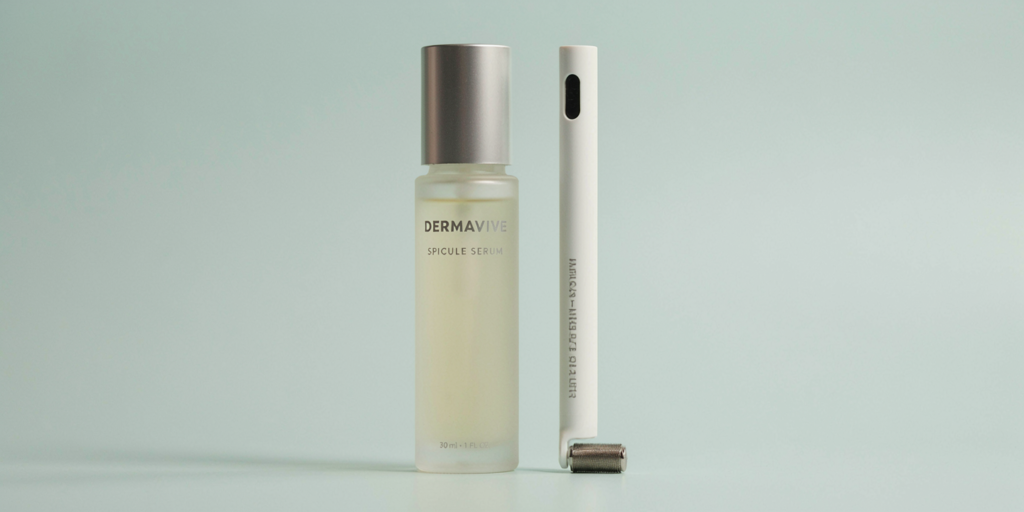
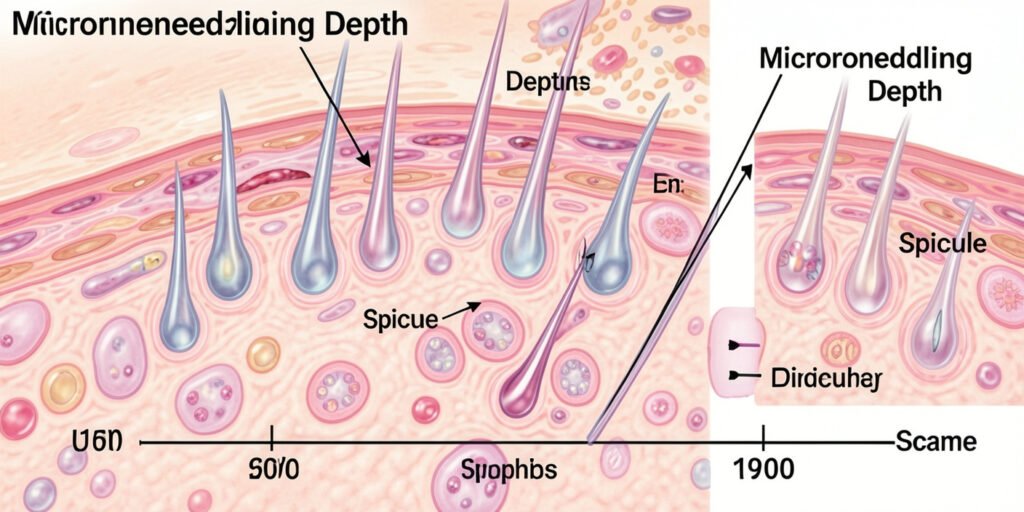
Quick answer to spicules vs. microneedling: spicules are microscopic, needle-shaped structures pulled from sponges, and they reach roughly 100 to 300 micrometers into the epidermis, staying well above the dermis. Microneedling devices use metal needles set anywhere from 0.25 to 2.5 millimeters deep, reaching into the dermis where collagen-producing cells actually live. That depth gap is basically the whole story. Spicules boost absorption and smooth texture. Microneedling triggers a stronger structural repair response.
Sit with that gap in numbers for a second, because it’s exactly where a lot of the content on this topic goes off the rails.
The Numbers Other Guides Get Wrong
Search this topic, and you’ll bump into a claim that spicules penetrate up to 2 millimeters, putting them in the same depth range as a professional microneedling device. That number doesn’t survive contact with the actual research. A 2022 study in the Journal of Cosmetic Dermatology, one of the few peer-reviewed papers to measure this directly, put cosmetic spicules at an average of 250 micrometers long, a quarter of a millimeter, nowhere close to 2 millimeters. The same study measured a dermal absorption rate of 73.4 percent and a percutaneous penetration rate of 2.2 percent, using a Franz diffusion cell on real skin samples.
You’ll also run into a specific claim that spicules boost ingredient absorption by up to 490 percent, sometimes credited to a study in the journal Toxins. That one doesn’t check out either. The real Kim et al. 2022 paper ran in the Journal of Cosmetic Dermatology, not Toxins, and it never once mentions a 490 percent figure anywhere in the text. A real study got a made-up number bolted onto it somewhere along the way, and that fake number’s been copied across a handful of skincare blogs since. None of this means spicules don’t work, by the way. The real data is genuinely solid. It’s just not the inflated version making the rounds.
How Each One Actually Penetrates the Skin
Getting spicules vs microneedling straight at the depth level means understanding what skin actually looks like layer by layer. The epidermis, the outer layer both methods interact with, is stacked: stratum corneum on top, then stratum granulosum, then stratum spinosum, then stratum basale sitting right above the dermis. Spicules, at their usual 100 to 300 micrometer range, stay within those upper epidermal layers. They pierce the stratum corneum, crack open a shallow channel, and let whatever’s riding along in the serum move through before the spicule itself dissolves, somewhere in the 24 to 72 hour range.
Microneedling devices go further on purpose. Down around 0.25 millimeters, a device is still working in the epidermis, similar territory to spicules. Push past 0.5 millimeters, and you cross into the dermis, where fibroblasts are actually producing collagen and elastin. Alster and Graham’s 2018 review in Dermatologic Surgery, one of the most cited practical guides on the procedure, covers microneedling’s use across acne scarring, wrinkles, surgical scars, and enlarged pores, precisely because a device can get down into that dermal layer in a way a topical spicule serum structurally just can’t.
What Spicules and Microneedling Actually Have in Common
Before splitting these two further apart, it’s worth naming where spicules vs microneedling actually overlap, since that’s where most of the marketing confusion starts in the first place. Both rely on the same basic idea: create a controlled physical disruption at the skin’s surface, then use that disruption to improve absorption and nudge the skin toward its own repair process. Neither one is a chemical exfoliant. Neither dissolves anything on contact. And both need genuinely clean, dry skin to actually work, losing most of their benefit if you layer them over makeup, sunscreen, or leftover product residue.
That shared mechanism is exactly why these two get lumped together so often, and exactly why so much of the content comparing them ends up overstating how similar the results really are. Sharing a mechanism isn’t the same as sharing a depth. Depth is what actually determines the outcome.
Downtime and Recovery: What to Actually Expect
Recovery time is where spicules vs microneedling splits hardest, so let’s be specific instead of vague about it. A spicule serum, applied correctly, gives you a brief tingling sensation during application and maybe some mild redness that fades within the hour. You can put makeup on the next morning, and nobody will know you did anything to your skin the night before.
Microneedling is a different kind of commitment. Even at conservative depths, expect visible redness for 24 to 72 hours, and at deeper settings used for acne scarring or serious texture work, pinpoint bleeding during the session itself and real sensitivity for several days after. Professional treatments usually include a numbing step beforehand precisely because that depth would be uncomfortable without it. None of that downtime is a flaw in the treatment. It’s the wound-healing response doing exactly what it’s supposed to, and it’s the same mechanism behind the more dramatic collagen results microneedling is known for.
Which One Builds More Collagen
Both trigger a repair response, but when it comes to spicules vs microneedling and collagen specifically, the scale isn’t close. Microneedling’s collagen induction happens because the needles reach the dermis directly, right where fibroblasts sit and where new collagen actually gets built. Spicules, staying up in the epidermis, trigger a smaller version of that same signal, since the micro-injury is real but shallower and never disturbs the dermal layer where collagen production is actually centered.
Practically, that means spicules can support a modest firming effect with consistent use, mostly as a side effect of better ingredient delivery and faster cell turnover, while microneedling stays the go-to option when someone needs measurable improvement in scarring, deep wrinkles, or noticeable laxity. Neither number is a knock on either method. They’re just built to solve different problems at different depths.
Safety Risks Worth Knowing Before You Start
Spicules carry a fairly short list of real risks. Applying them to broken, actively inflamed, or infected skin can make irritation worse, and overusing them, meaning daily rather than the recommended two to three times a week, can wear down the skin barrier over time even though any single application is low risk on its own. There’s essentially no infection risk from a well-formulated, properly stored serum, since nothing’s puncturing deep enough to introduce contamination into living tissue.
Microneedling carries more to keep an eye on, mostly tied to depth and hygiene. Going too aggressive with the depth for your skin’s condition can cause post-inflammatory hyperpigmentation, particularly in deeper skin tones, and unsterilized needles, whether that’s a reused at-home roller or a poorly maintained tool in a professional setting, create a real infection risk since the device is reaching living tissue. Alster and Graham’s review calls out proper technique and depth selection specifically as the line between microneedling’s well-documented benefits and its more serious complications. That’s really the core argument for having anything past the most conservative at-home depths done by a licensed professional instead of going it alone.
Spicules vs. Microneedling: Pros and Cons Side by Side
- Spicules: no device needed, little to no downtime, safe for regular at-home use two to three times a week, gentler on sensitive skin, but limited to epidermal-level results and won’t meaningfully touch deep scarring or real volume loss. healnurtura.com/how-do-spicules-work/
- Microneedling: reaches the dermis for genuine structural change, well documented for acne scarring and wrinkle reduction, but you’re either responsible for using a device correctly or booking a professional appointment; real downtime is part of the deal, and there’s more risk if it’s done wrong or too often, including scarring from over-treatment or infection from unsanitized tools.
Picking between spicules vs microneedling usually comes down to matching that list against what your skin actually needs right now, not whichever one sounds more advanced on paper.
Cost Comparison
At-home spicule serums typically run twenty to forty dollars for a bottle that lasts a couple of months at two to three uses a week, so the ongoing cost stays fairly low. At-home microneedling tools, usually derma rollers or pens, cost more upfront, generally forty to over a hundred dollars depending on needle quality and replaceable cartridges, plus the ongoing cost of sterilizing supplies. Professional microneedling sessions run considerably higher, often several hundred dollars a visit, and dermatologists typically recommend a series of three to six sessions spaced weeks apart for visible results on scarring or texture, which changes the total cost picture quite a bit compared to a serum you’re applying yourself at home.
Who Should Choose Which
If your main concerns are dullness, mild texture stuff, or getting more out of the serums already sitting in your routine, and you’d rather skip downtime entirely, spicules are the lower-risk place to start. If you’re dealing with real acne scarring, pronounced fine lines, or noticeable laxity, and a few days of visible recovery doesn’t scare you off, microneedling, ideally done by or under the guidance of a licensed professional, is going to get you further than a topical product ever will. Anyone dealing with active rosacea, eczema, broken skin, or a compromised barrier should hold off on both until that clears up, since either method adds mechanical stress that inflamed skin just isn’t equipped to handle well right now.
Can You Combine Spicules and Microneedling?
Used at different points in a routine, yes, though timing matters more than people assume. If you’re getting professional microneedling done, give your skin a full five to seven days to heal before bringing a spicule serum back into the mix, since applying any exfoliating product onto freshly needled, still-healing skin increases the risk of irritation without adding any real benefit. Once you’re healed up, a spicule serum used once or twice a week between microneedling sessions can help hold onto some of the absorption and texture benefits without piling extra downtime on top of what the microneedling already cost you. Think of it as two tools working at different depths, not two competing versions of the same treatment.
Frequently Asked Questions
Is spicule treatment as effective as microneedling?
Depends entirely on the goal. Spicules genuinely work for boosting absorption and refining surface texture, but they operate at a shallower depth than microneedling and can’t replicate the dermal-level collagen response a properly done microneedling session produces.
Can I do spicules and microneedling on the same day?
No. Putting a spicule serum on skin that was just microneedled adds unnecessary mechanical stress to a barrier that’s already compromised. Wait until your skin’s fully healed, usually five to seven days, before picking spicules back up.
Which one is better for acne scars?
Microneedling. Its ability to reach the dermis, where fibroblasts drive collagen remodeling, makes it the better-documented option for depressed acne scarring, a goal spicules just aren’t built to reach.
Is microneedling more painful than using spicules?
Generally, yes. Spicule serums usually cause a brief tingling feeling, while microneedling, especially at deeper settings used for scarring or wrinkles, often involves discomfort real enough that professional treatments include a topical numbing step beforehand.
How often can you safely use each one?
Spicule serums are typically used two to three times a week for ongoing maintenance. Microneedling needs real recovery time between sessions, with professional treatments usually spaced four to six weeks apart and at-home rollers used no more than once every one to two weeks, depending on needle depth.
Conclusion
Spicules vs microneedling isn’t really a competition once you look at what each one’s actually built to do. Spicules work the top few hundred micrometers of skin, deliver a real absorption boost backed by actual peer-reviewed measurement, and cost you nothing in downtime. Microneedling reaches the dermis, earns its place as one of the better-documented treatments for scarring and deeper wrinkles, and asks for real recovery time in return for that depth. Match the tool to what your skin needs today, not to whichever one sounds more dramatic on the label, and skip the inflated stats that both categories seem to attract.
Curious how spicules actually work at the cellular level before you commit to a bottle? Our companion piece on how spicules work breaks down the exact mechanism behind that absorption boost.